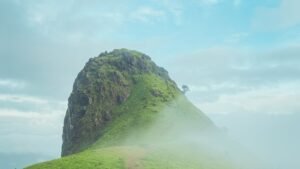
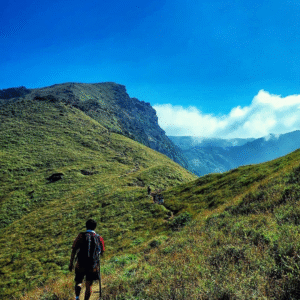
Most weekend excursions out of Bengaluru follow a familiar rhythm. You board a midnight sleeper bus from Majestic or drive out along the Hassan highway around 11:00 PM. By 5:30 AM, the dry air of the plains gives way to damp, mountain mist. You step out into a quiet forest checkpost or a tea estate clearing in the Western Ghats, laced up and ready to start walking.
For anyone living in Bengaluru, planning a karnataka trek is the most accessible way to reach true wilderness. However, navigating trail permissions, seasonal weather changes, and physical difficulty levels can be confusing for a first-timer. The Western Ghats span multiple districts, each offering distinct terrain, climate patterns, and administrative rules. Here is a practical overview of what you need to know before stepping onto the trail.
The Four Main Trekking Regions
The Western Ghats run parallel to the western coast of India, creating several distinct geography clusters within a 5-to-8-hour drive from Bengaluru. Understanding where these trails are located helps you plan travel logistics effectively.
- Chikkamagaluru and the Kudremukha Range: Located roughly 280 km from Bengaluru (a 6-to-7-hour drive), this region is known for rolling shola grasslands, deep valleys, and damp forest streams. Trails here feature open ridges exposed to high winds. Due to strict forest conservation, camping on high peaks is prohibited across the region.
- Kodagu (Coorg): Situated about 260 km southwest of Bengaluru (a 6-hour drive via Mysuru), Kodagu features dense green forests, coffee plantations, and rounded granite peaks. Tadiandamol, the highest peak in the district at 1,748 m, is a classic entry-level trail with clear pathways and steady incline.
- Sakleshpur and Mudigere: Sitting roughly 220 km west of Bengaluru (a 4-to-5-hour drive via National Highway 75), this area serves as the gateway to the Ghats. It features shorter, steep ridge walks like Ettina Bhuja and Jenukal Gudda. The terrain consists of dense undergrowth and narrow ridgelines that receive heavy monsoon rainfall.
- Dakshina Kannada and Subramanya: Located around 330 km from Bengaluru on the windward side of the Ghats, this low-altitude region holds some of the most strenuous trails in South India. Kumara Parvatha (Pushpagiri) starts near Subrahmanya at an elevation close to sea level and climbs steeply to 1,712 m through dense jungle and vertical granite slabs.
Navigating the Forest Permit System
Trekking in Karnataka is strictly regulated by the Karnataka Forest Department to prevent overcrowding and protect eco-sensitive wildlife zones. You cannot simply turn up at a trail head and start walking without prior clearance.
Most popular trails require advance online booking through the official state portal, Aranya Vihaara. Slots are capped daily for each trail to limit ecological impact. When slots open on the portal, popular trails sell out quickly for weekend dates. To understand how to navigate slot releases, identity checks, and gate timings, read our comprehensive Aranya Vihaara booking guidelines.
Key points to remember about forest checkposts:
- Timings: Forest gates strictly enforce entry windows, usually between 6:00 AM and 9:00 AM. Late arrivals are routinely turned away, regardless of whether you hold a valid booking.
- Plastic Ban: Forest officers conduct thorough bag checks at entry points. Disposable plastic water bottles, snack wrappers, and plastic bags are confiscated or cataloged. You are expected to carry reusable metal or hard-plastic water bottles and pack out all personal trash.
- Permit Costs: Permit pricing is standardized by the forest department. For exact entry figures and administrative guidelines, the current figure is on the Aranya Vihaara portal. Detailed breakdowns of trail rules are also covered in our Karnataka trek permits guide.
Seasons and Ground Realities
The difficulty of any trail in the Western Ghats is dictated heavily by the month you choose to hike. The landscape shifts dramatically across three distinct seasons.
Monsoon (June to September)
The monsoon brings heavy downpours, thick fog, and swollen streams. Trails turn into slick mud, and visibility on exposed ridges drops to a few meters. Leeches are everywhere; they crawl through socks and drop from tree foliage. Forest officers frequently close trails on short notice during periods of extreme rain or high wind. Monsoon trekking requires proper rain gear, waterproof footwear, and patience, but it offers lush, vibrant green landscapes.
Post-Monsoon (October to December)
This is widely considered the peak season for a karnataka trek. The rains taper off, leaving streams full, grasslands bright green, and skies clear. Temperatures during the day are comfortable for walking, though nights can drop to 10–12°C on higher slopes. Trails are dry enough to provide good traction, making this the best window for beginners. For a broader overview of route options during this time, explore our guide to the best treks in Karnataka.
Late Winter and Pre-Monsoon (January to May)
By January, grasslands turn golden-brown and the sun becomes harsh. Daytime temperatures on open, tree-less ridges can exceed 30°C. Water sources along the trails dry up quickly, requiring you to carry at least 3 liters of water from the start. High fire risk during peak dry months frequently prompts the forest department to temporarily close several high-altitude routes.
Choosing Your First Trail
A common mistake among first-time trekkers traveling from Bengaluru is selecting a high-difficulty route without adequate physical preparation. Pacing yourself on manageable trails builds endurance and helps you get comfortable with outdoor conditions.
If you are completely new to mountain walking, start with trails like Tadiandamol or Ettina Bhuja. These offer moderate gradients, clear paths, and reasonable distances that can be completed within 4 to 6 hours. Save endurance tests like Kumara Parvatha for when you have built up leg strength and logged a few simpler climbs.
When we run weekend trips at Elneeru, we routinely emphasize starting early in the morning to finish the steepest sections before the afternoon sun peaks. Simple habits—wearing broken-in trail running shoes, using trekking poles to save your knees on descents, and staying consistently hydrated—make a significant difference to your overall experience on the mountain.