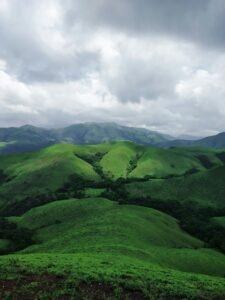
The Karnataka Forest Department has introduced a comprehensive Standard Operating Procedure (SOP) to regulate trekking across designated forest routes in the Western Ghats and other state forest limits. Around 39 trekking routes have been identified for monitoring, safety protocols, and visitor management. The introduction of these rules comes in response to several incidents on forest trails in 2026 that highlighted the risks of difficult terrain, unpredictable weather, wildlife encounters, and limited mobile connectivity.
Incidents Driving the SOP Implementation
The state government formulated the unified SOP following safety incidents across different districts in early 2026. In April 2026, a 36-year-old female trekker from Kerala lost her way while descending from Tadiandamol in Kodagu district. She remained missing for several days before being located and rescued through a joint search operation involving Forest Department personnel, local police, reserve forces, and local tribal communities.
In the same month, another serious incident occurred near Bandaje Waterfalls in the Kumaradhara and Chandradrona hill region of Chikkamagaluru district, where a young trekker faced difficulties after moving along difficult terrain off designated paths. In May 2026, a 10-year-old boy was attacked and killed by a leopard while traveling with his family toward Nagamale inside the Male Mahadeshwara Hills Wildlife Sanctuary in Chamarajanagar district. Following this incident, strict restrictions were placed on public movement and trekking within wildlife-sensitive zones.
Key Provisions of the New Trekking SOP
The new framework shifts forest trekking from unrestricted access to a closely regulated activity. The primary measures established under the SOP include:
- Carrying Capacity Control: To reduce ecological pressure on forest trails and ensure effective group monitoring, the department will limit daily visitor numbers on each designated route.
- Mandatory Nature Guides: Trained local youth are being deployed as nature guides for trekking groups. Beyond providing biodiversity information, guides are responsible for enforcing trail discipline, maintaining navigation, conducting periodic headcounts, managing emergency communications, and assisting during incidents.
- Selective Trail Openings: Trekking routes will not open all at once. The department is following a route-wise reopening protocol. Each trail is evaluated independently based on terrain, current weather conditions, wildlife movement, and the readiness of local forest staff. For example, select trails in the Kudremukh Wildlife Division have reopened under SOP compliance, while other routes remain restricted.
- Infrastructure Development: Forest routes are being upgraded with directional signages, clear route markings, designated rest areas, and basic amenities such as drinking water facilities and toilets at base camps.
Safety Technology and Emergency Response
To reduce the risk of lost or untraceable trekkers in areas with weak cellular coverage, the Forest Department is introducing GPS-enabled communication equipment and mobile tracking tools. These systems are intended to help forest officers keep track of groups moving through remote forest compartments.
The SOP also outlines an emergency response structure designed to speed up rescue operations. In the event of an injury, medical emergency, or missing person report, emergency protocols enable the rapid mobilization of Forest Department staff, local police, State Disaster Response Force (SDRF) units, local community members, and rescue drones.
Wildlife Protection and Compliance Rules
Under the SOP guidelines, wildlife conservation and human safety take priority over public trail access. Trail operations can be suspended or restricted immediately if field staff report the presence or movement of large mammals, including tigers, leopards, elephants, or bears. Trekkers planning itineraries should stay informed about trail updates through resources like our detailed review of Karnataka’s new trekking SOP rules and reactions.
The regulations also enforce penalties for non-compliance. Entering restricted forest zones without valid permits, venturing off designated paths, or ignoring instructions from forest personnel can lead to legal action under applicable forest laws. Trekkers and nature guides who commit violations face penalties and potential blacklisting from future forest permits across the state.
Planning Forest Treks Under the SOP
Visitors planning to trek in Karnataka’s forest zones must adapt to the updated guidelines. Trekkers should ensure they hold valid permits prior to travel, which can be secured through official channels such as the forest department’s portal. For further details on permit requirements, refer to our comprehensive Karnataka trek permits guide or read our breakdown of Aranya Vihaara booking guidelines. Compliance with trail restrictions, staying close to designated nature guides, and respecting temporary wildlife closures will be essential for all future treks across the Western Ghats.