Dudhsagar Falls Trek from Bangalore
Overview
Highlights
- Overnight journey from Bangalore
- 22 km Dudhsagar railway-track trek
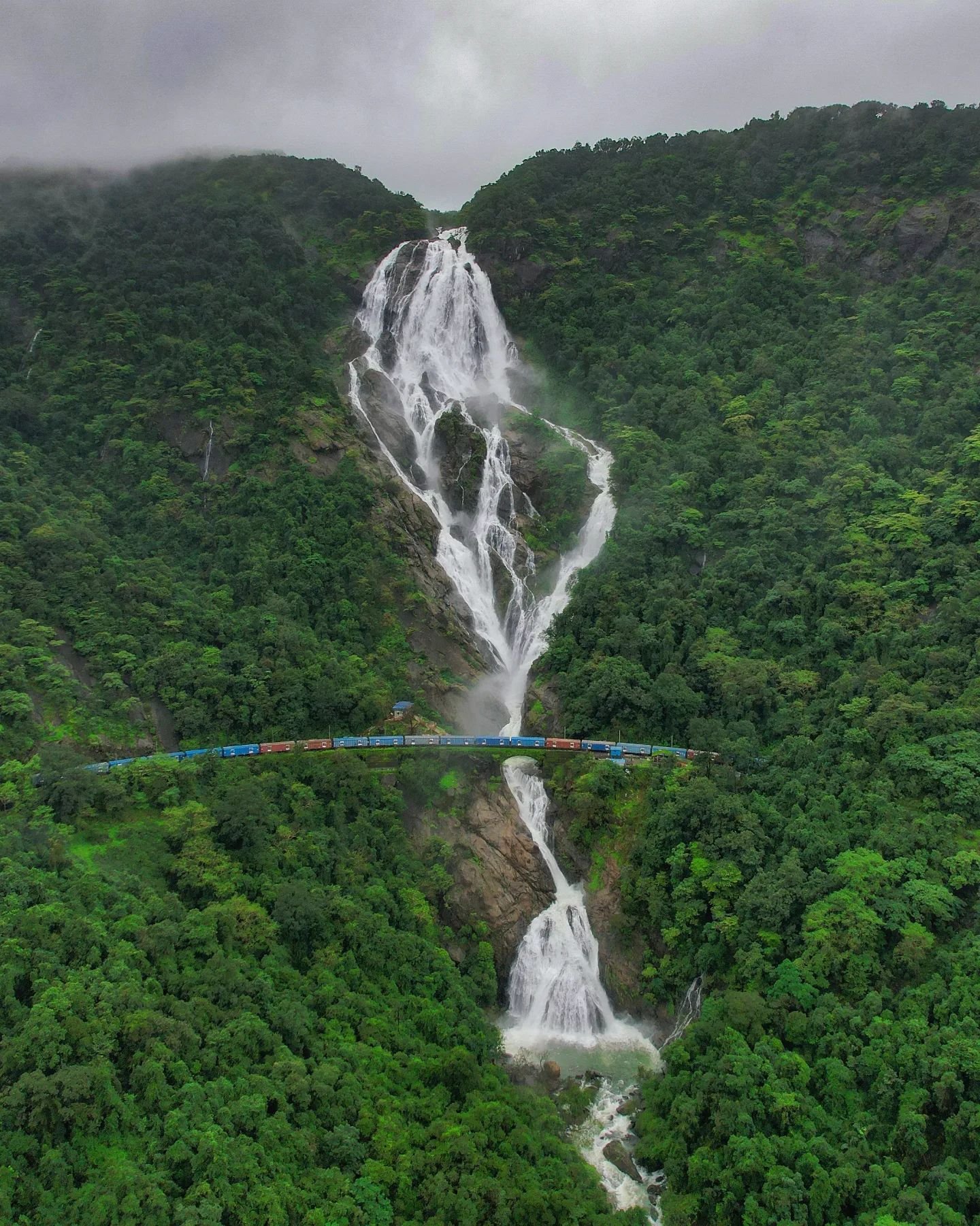
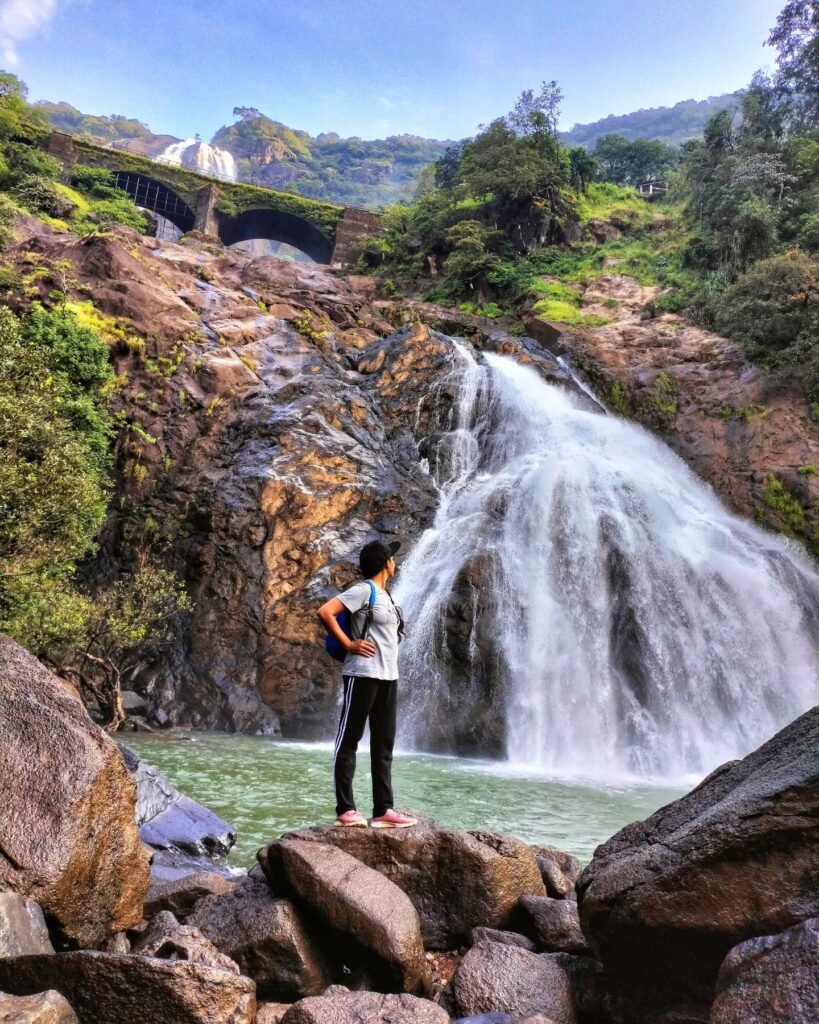
- Four-tiered Dudhsagar Falls
- Dandeli homestay campfire night
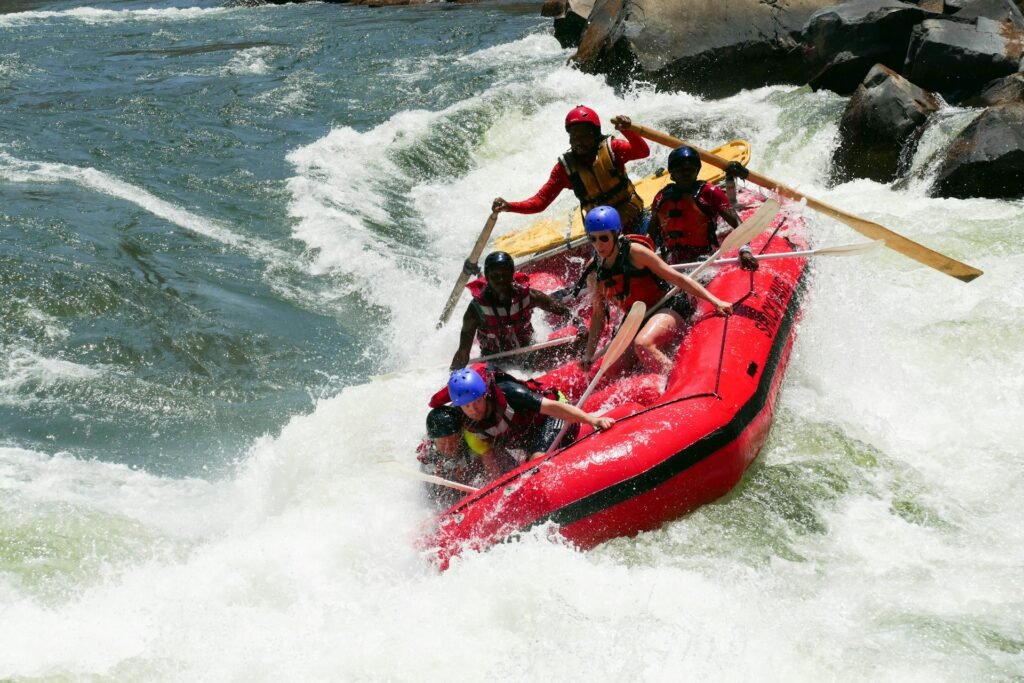
- Kali river water activities - rafting, kayaking, boating (subject to water level, own cost)
- Magodu Falls
- Jenukallu Gudda sunset viewpoint
- Alternative: Magodu Falls, Jenukallu Gudda & Sirsi if water activities are unavailable
Day-by-Day Itinerary
- 07:00 PM pickup from Majestic and onward points
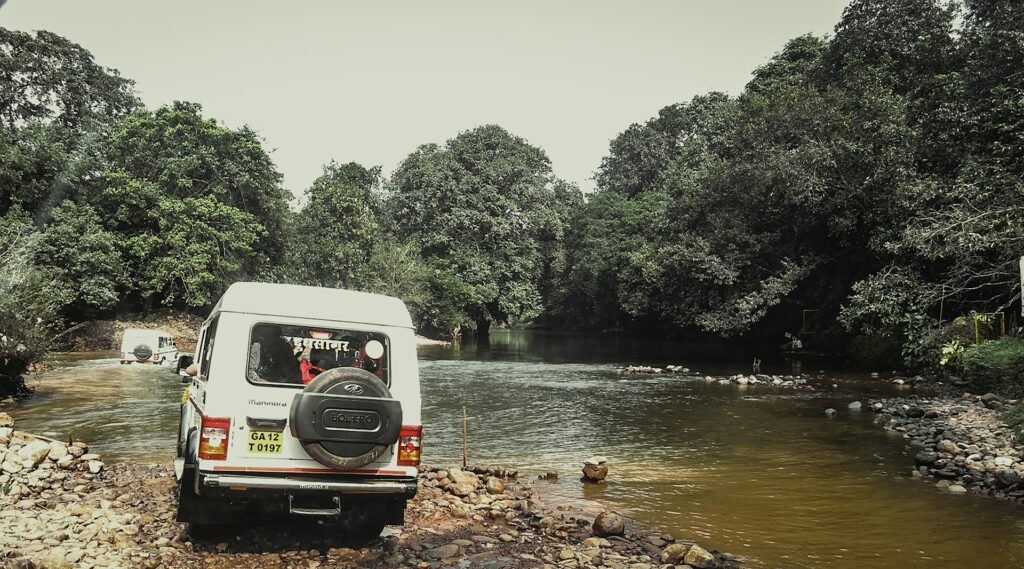
- Overnight drive to the trek base
- 07:00 AM reach the base, freshen up and breakfast
- 08:00 AM start trekking
- 01:00 PM reach Dudhsagar Falls, lunch and trek back to base
- 10:00 PM reach the Dandeli homestay, campfire and dinner (Breakfast, Lunch & Dinner included)
- Breakfast at the homestay
- 09:00 AM-12:00 PM rafting, boating, kayaking & water games (subject to water level, own cost)
- 01:00 PM lunch at the Kali river
- 04:30 PM Magodu Falls
- 06:00 PM Jenukallu Gudda sunset
- 08:00 PM dinner at Yellapura (Breakfast included)
- If water activities are unavailable, Magodu Falls, Jenukallu Gudda & Sirsi are covered instead
- 06:00 AM reach Bangalore (drop points same as pickup)
What's Included
✓ Included
- Round-trip transport from Bangalore (bus/TT depending on group size)
- Accommodation (rooms + dormitory + tent in homestay)
- Meals: 2 breakfasts + 1 lunch + 1 dinner
- Basic first-aid support
- Forest permission
- Guide fees
- Coffee/Tea & snacks
✗ Not Included
- Sunday lunch & dinner
- Rafting / water-activity charges
- Personal expenses
- Travel insurance
- Anything not listed under inclusions
Permits & Rules
Carry photocopy of one of the following for forest verification at the checkpost: Driving License or PAN Card (preferred), Voter ID, Passport, or Ration Card. Mobile network will be unavailable at the checkpost. It is recommended to carry a physical photocopy.
Plastic covers,Flamables & Sharp objects are not allowed. Carry snacks in steel/Tupperware boxes and use only reusable bottles to avoid delays during checking.
Trekkers will be briefed about distance, duration, and local conditions.
Trekkers will be instructed on how to respond if they encounter wildlife.
Difficulty: Moderate
Who Can Do This?
This one suits people who can keep walking rather than people who can climb. If you have done a full-day trek before and finished it comfortably, or you walk long distances regularly, the Dudhsagar track will be well within reach. It works for first-timers with a decent base of general fitness, and it is a good choice for mixed groups because nobody has to scramble. It is less suitable for anyone with knee or ankle trouble - the sleepers and ballast punish joints over 22 km - and for young children, who tend to struggle with the uneven footing long before they run out of energy.
Where It Gets Difficult
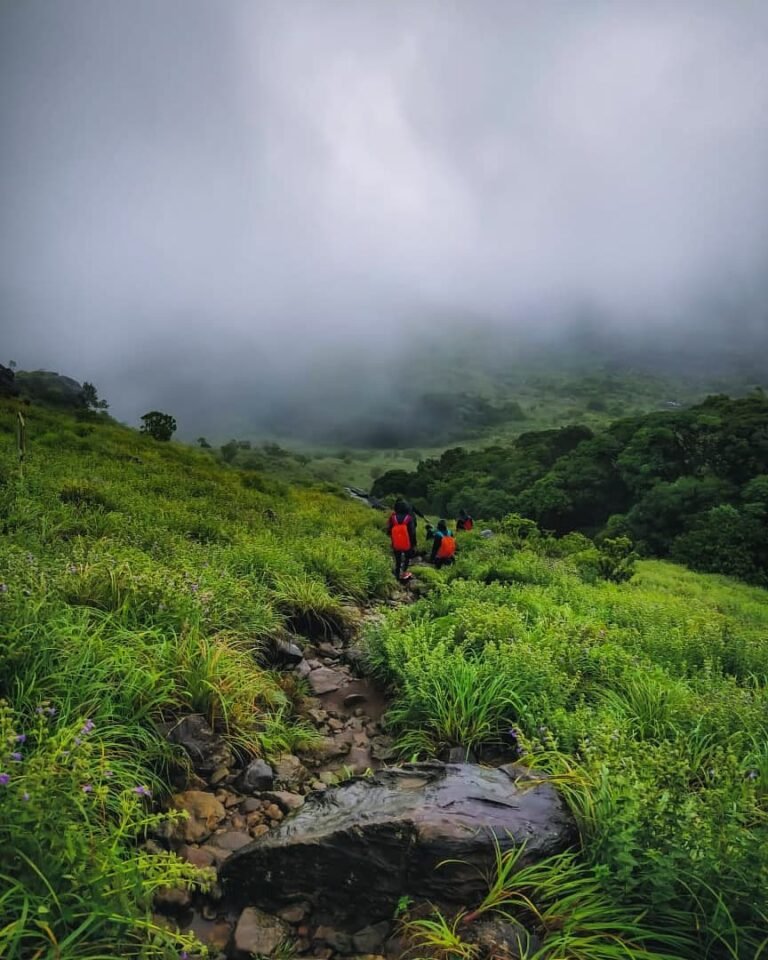
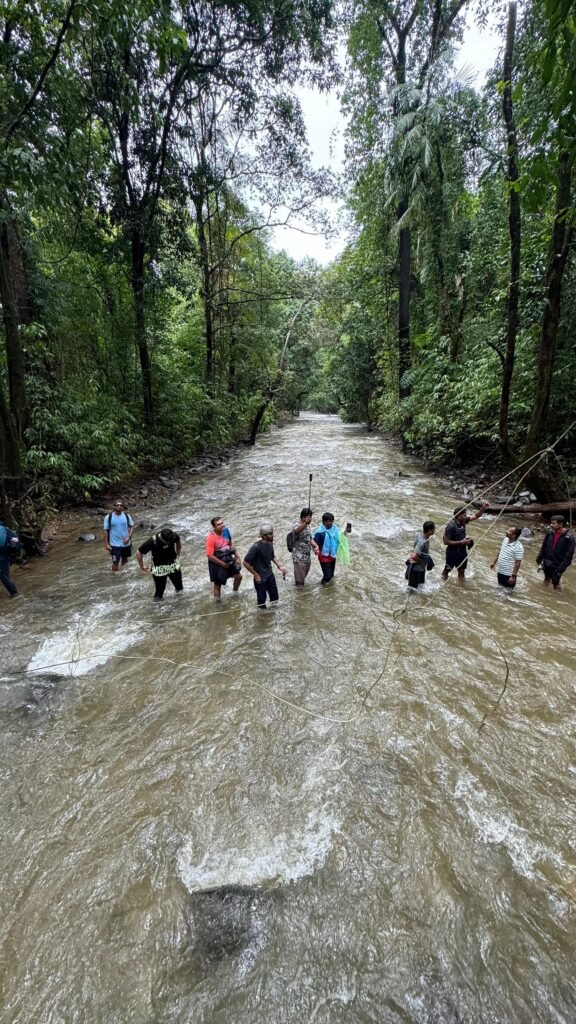
Three things catch people out. The surface: 22 km of sleepers and loose ballast gives you no rhythm, and the sleeper spacing suits nobody stride length, so both feet and patience wear down. The tunnels: several of them, some long enough to be pitch dark in the middle, walked single file with a torch, and the floor there is the same uneven ballast you cannot see. And the return leg: the same 11 km back with tired ankles, when most stumbles happen. Add near-constant damp through the Ghats, leeches in the wet months and very little shelter along the line, and the day asks for patience more than strength.
Fitness Requirement
Build for distance, not for altitude. Around 22 km on the day, mostly on an uneven railway surface, with roughly six to eight hours of walking including breaks. If you can walk 8 to 10 km at a steady pace without your legs complaining the next morning, you are close. Three or four weeks of 5 km walks, a few flights of stairs a day and one longer weekend walk is enough preparation for most people. Ankle strength matters more than lung capacity here: the gradient is a railway grade and never steep, but every step lands on ballast or a sleeper, so stability is what tires first.
Best Time to Visit
Lush, dramatic, and at its peak. Forests turn vivid green, waterfalls appear, and mist adds a surreal feel. Expect slippery trails, near-constant rain (carry a raincoat), and leeches. Challenging but highly rewarding, with good summit views when clouds clear.
Greenery continues, but trails are drier and more grippy, making the trek easier. Rain is less frequent but unpredictable (carry a raincoat). Offers the best balance of comfort and scenery, with higher chances of clear skies and excellent views.
Cool mornings and comfortable conditions. Trails are easy to walk, and visibility is often excellent. Greenery starts to fade. Carry an extra layer for mornings, summit winds, and overnight stays.
Route Breakdown
Packing List
Pack light but pack smart. Everything you bring, you carry on your back.
How to Reach
Frequently Asked Questions
Still have questions? We reply within 15 minutes on WhatsApp.
💬 Ask on WhatsAppReviews
4 reviews
Sign in to review
Reviews on Elneeru come from trekkers who've been on the trail, so we ask you to sign in first. Your treks and reviews then live together on your profile.
This trek should be considered medium. This trek packed with so many beautiful views and stream.
You Might Also Like