
Kumara Parvatha Trek via Somwarpet
Overview
Highlights
- Departure: Every Friday night from Bangalore
- One of the most popular treks in Karnataka
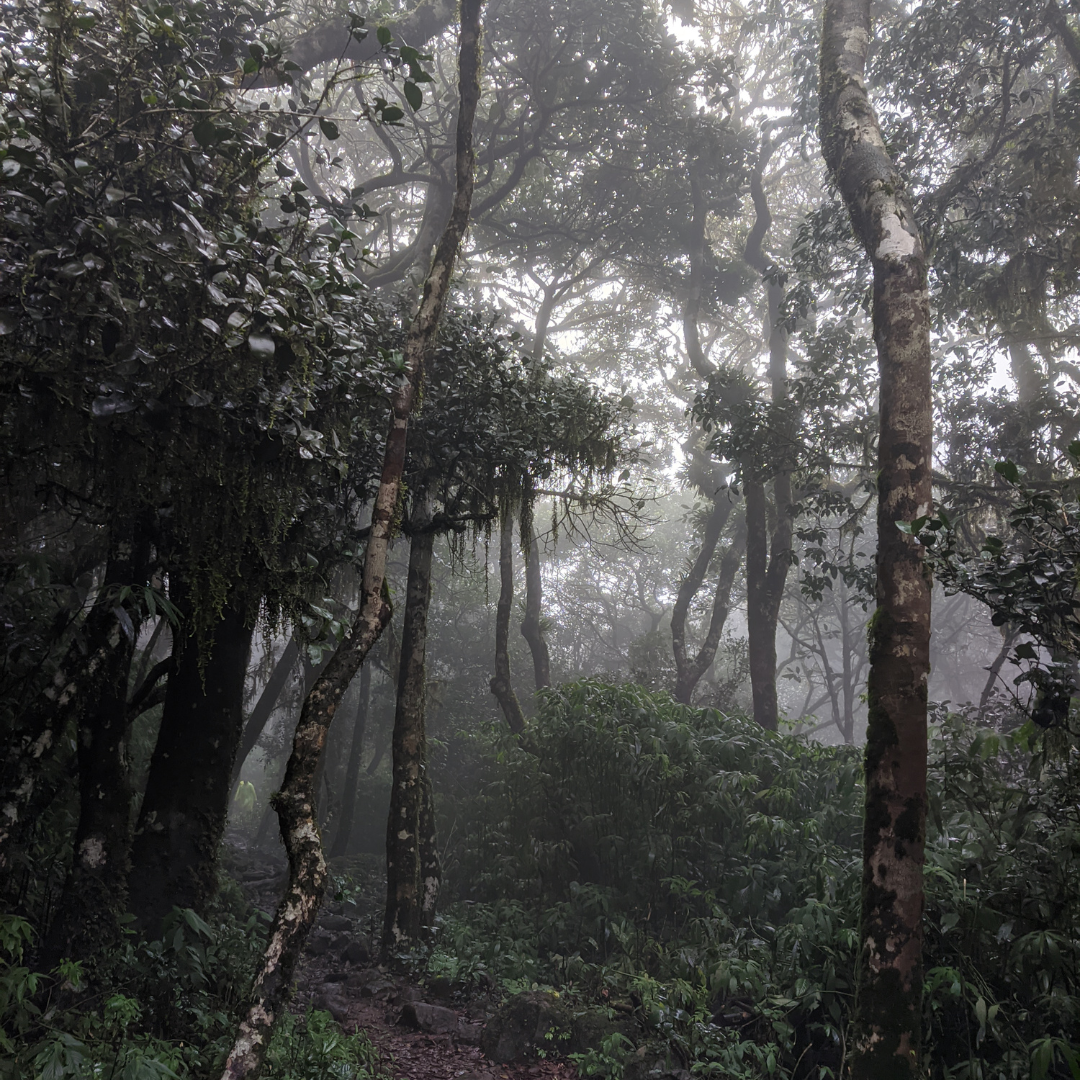
- Dense Shola forests
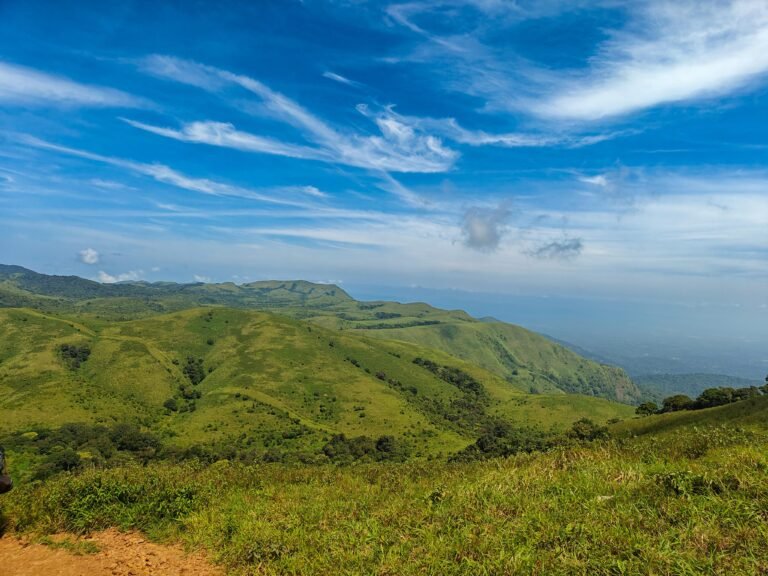
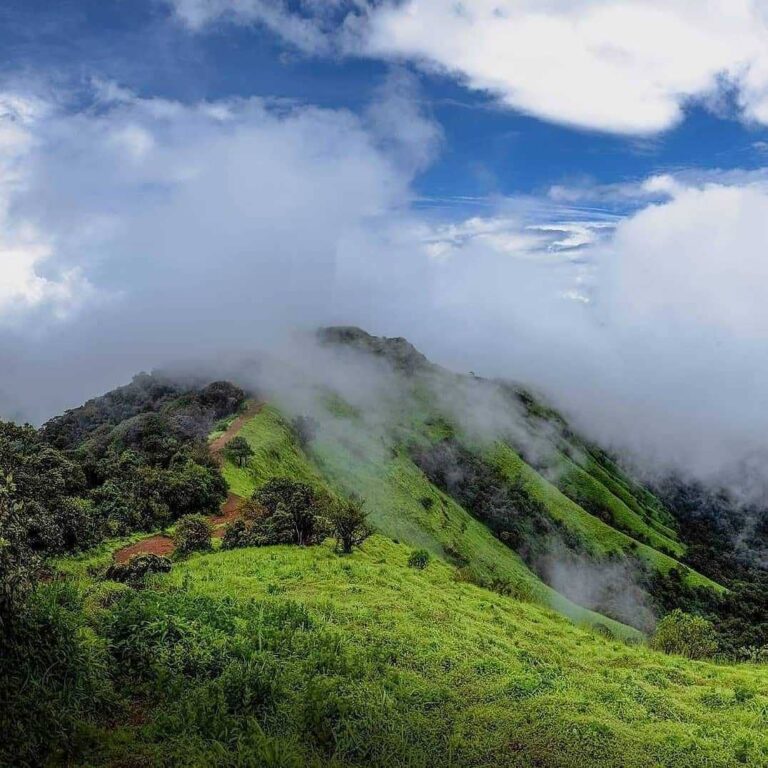
- Scenic grasslands
- Views of Pushpagiri peak
- Rich biodiversity of the Western Ghats
- Visit Mallalli Falls & Golden Temple along the way
Day-by-Day Itinerary
- 8:00 pm onwards: Assemble at Shantala Silk House, Majestic
- Board a non-AC tempo traveler/minibus and start overnight journey
- 4:00 am: Reach homestay near Somwarpet, freshen up, breakfast & pack lunch
- Start trek from base point after briefing
- Trek distance: 14 km (7+7 km) | Moderate difficulty
- Explore Shesha Parvatha (optional, +2 km) for early climbers
- 2:00 pm: Start descent
- 6:00 pm: Reach base, relax with evening tea
- Enjoy campfire-style entertainment, stories & fun
- Night stay in tents (separate for men & women) + Dinner
- 7:00 am: Wake up, breakfast & check-out
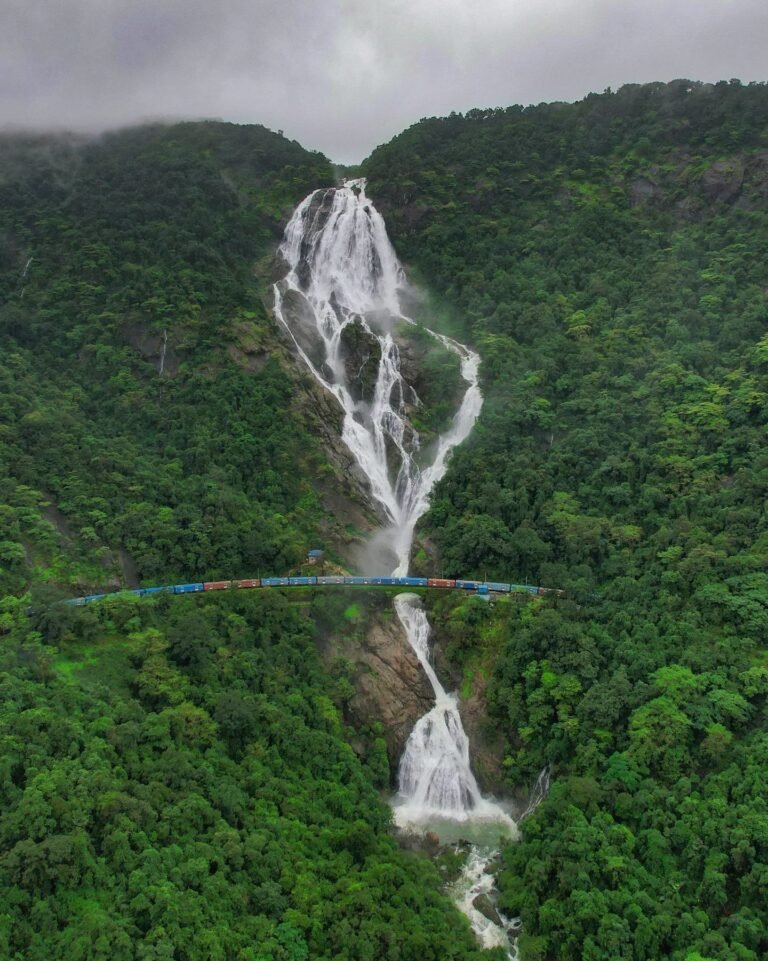
- Visit Mallalli Falls (Coorg’s most famous waterfall)
- Stop at Kushalnagar Golden Temple (if time permits)
- Self-sponsored lunch on the way
- 11:00 pm: Arrive back at Bangalore (Majestic)
What's Included
✓ Included
- 🚌Non-AC Transport from Bengaluru & back
- 🏕️Camping gear & tents
- 🍱Meals (Day 1 Breakfast, Lunch, Dinner + Day 2 Breakfast, Lunch)
- 🧭Certified trek leader & assistant
- 🩺First aid kit & emergency support
- 🎫Forest permit fees
- 💧Water throughout the trek
✗ Not Included
- 🍽️Personal snacks & energy bars
- 🛡️Personal travel insurance
- 👟Trekking gear (boots, poles)
- 💊Personal medications
- 📱Any personal expenses
Difficulty: Moderate
Who Can Do This?
This is the gentler of the two ways up Kumara Parvatha and it suits fit first-timers who have a few day treks behind them. The climb from the Somwarpet side rises more steadily than the Kukke Subramanya approach, and you sleep in tents at base rather than partway up the mountain. Anyone who cannot walk seven kilometres uphill without long stops should choose something shorter first.
Where It Gets Difficult
The forest section early on is the steep part, and in and just after the monsoon it stays slippery underfoot long after the rain has stopped. Above the treeline the grassland is open, with no shade and a wind that picks up near the summit. The descent is what people underestimate: the same gradient on tired knees in the afternoon, which is what turns a comfortable climb into a long day.
Fitness Requirement
Train for a continuous uphill hour rather than for distance. If you can climb seven kilometres carrying a daypack and still have legs for the way down, you are ready. Four weeks of brisk walking or stair climbing, four days a week, gets most people there. Pace matters more than stamina here: the descent starts at 2:00 PM from wherever the group has reached, so a slow morning is what costs people the summit.
Best Time to Visit



The Somwarpet side is at its greenest and Mallalli Falls at its most spectacular, but the trail pays for it. The shola sections run with water, leeches are constant, and the open grassland higher up turns slick underfoot. The forest department closes the route on heavy-rain days at short notice. Experienced monsoon walkers only.
The best window on this route. The grassland is still green, the streams still running, the ground has dried enough to grip, and Pushpagiri stands clear across the valley for most of the climb. Mallalli Falls is still in good flow for the Sunday stop.
Cold, clear starts and the most comfortable walking temperature for a 14 km day, which makes the 2 PM turnaround easy to meet. The grassland browns off and streams thin out by February, so carry more water than you think you need. Long-distance views are at their sharpest.
Avoid if you can. The open grassland stretch has almost no shade, water sources on the way up run dry, and the heat makes the climb far harder than the distance suggests. Fire risk also shuts parts of the range during these months.
Route Breakdown
Packing List
Pack light but pack smart. Everything you bring, you carry on your back.
How to Reach
Frequently Asked Questions
Still have questions? We reply within 15 minutes on WhatsApp.
💬 Ask on WhatsAppReviews
Sign in to review
Reviews on Elneeru come from trekkers who've been on the trail, so we ask you to sign in first. Your treks and reviews then live together on your profile.
Be the first to share your experience!
You Might Also Like